
Few travel experiences feel as cozy as a European Christmas market. Wooden stalls glow with string lights, the air smells of roasted almonds and spiced wine, and church bells ring over snowy squares. For travelers who love the holidays, a winter trip to Europe can feel like stepping into a storybook.
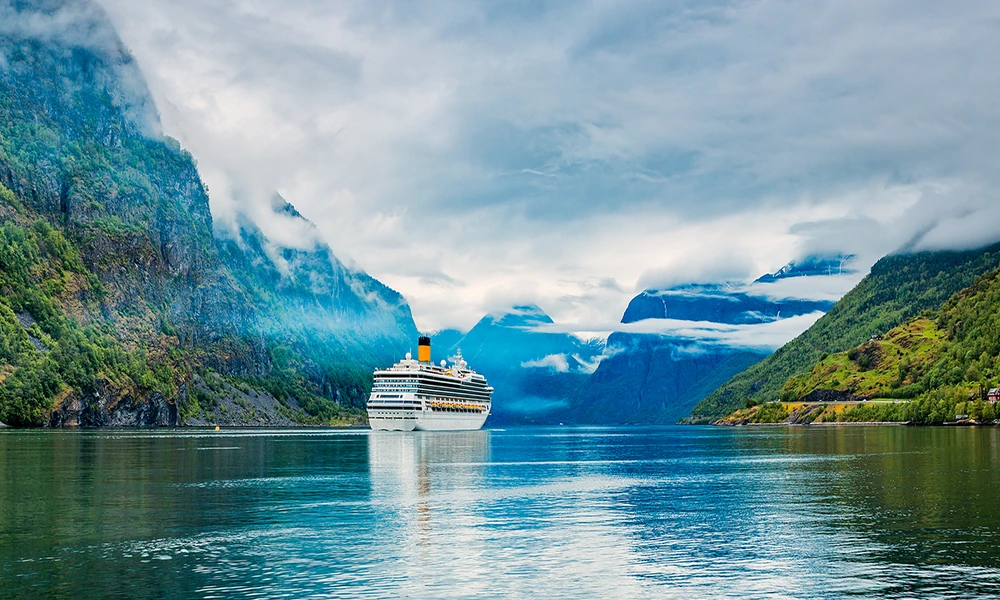
Some winter European cruises along rivers and coastlines are timed around the market season, so you can wake up in a new festive town each morning. Here is a guide to the destinations that do the holidays best.
Germany: Where the Tradition Began
Germany is the birthplace of the Christmas market, and many towns have been holding them for centuries. Nuremberg’s market is among the most famous, known for its gingerbread, its toy stalls, and a Christkind who opens the festivities. Cologne has several markets set against the backdrop of its enormous cathedral.
- What to taste: Bratwurst, roasted chestnuts, gingerbread, and glühwein, a warm spiced wine.
- What to buy: Hand-carved wooden ornaments, candles, and handmade toys.
- Tip: Many markets offer a deposit mug for hot drinks, which makes a charming souvenir.
Austria: Music and Elegance
Vienna’s markets are set in front of grand buildings, with live music and a polished, old-world feel. Salzburg adds its hilltop fortress and a long musical tradition, making it a favorite for those who enjoy a classical soundtrack with their shopping.
France: Alsace and the Rhine
The Alsace region has some of the prettiest markets in Europe, set among half-timbered houses and canals. Strasbourg calls itself the capital of Christmas, with a huge tree in the main square and markets scattered across the old town.
The Czech Republic and Hungary: Fairy-Tale Cities
Prague’s Old Town Square becomes a winter wonderland, with a towering tree, wooden huts, and sweet pastries called trdelník. Budapest has beautiful markets along the Danube, where you can warm up with a bowl of goulash or a cup of hot mulled wine.
The Nordic Countries: Cozy and Candlelit
Copenhagen’s Tivoli Gardens transforms into a festive fairground with lights and ice skating. Stockholm’s Old Town, Gamla Stan, offers a quieter, candlelit atmosphere with traditional crafts and treats.
What to Wear and Pack
Winter in Europe is cold and often damp, so dress with care.
- Layers: A thermal base, a warm sweater, and a coat you can adjust.
- Waterproof shoes: Cobblestones can be wet and slippery.
- Gloves, hat, and scarf: You will be outside for much of the day.
- A small day bag: Handy for shopping finds and snacks.
Tips for Enjoying the Markets
- Go early or on weekdays. Evenings and weekends can be very busy.
- Bring cash. Many stalls prefer it, especially smaller ones.
- Try the local specialty. Each town has its own treats, so ask what is popular.
- Take a break indoors. A warm cafe is the perfect pause between stalls.
- Plan for early darkness. The lights look best after sunset, so build your day around that.
Beyond the Markets
Many of these cities offer more than shopping. Visit cathedrals decorated for Advent, attend a holiday concert, or take a short guided walk through the old town. Winter light on historic buildings has a quiet beauty that summer crowds rarely see.
A Season Worth Savoring
A Christmas market trip is as much about atmosphere as about shopping. It is the warmth of a mug in your hands, the sound of carols, and the feeling of being part of a tradition that is centuries old.
To plan your route and learn about regional customs, Germany Travel offers a helpful overview of the country’s best-known markets.